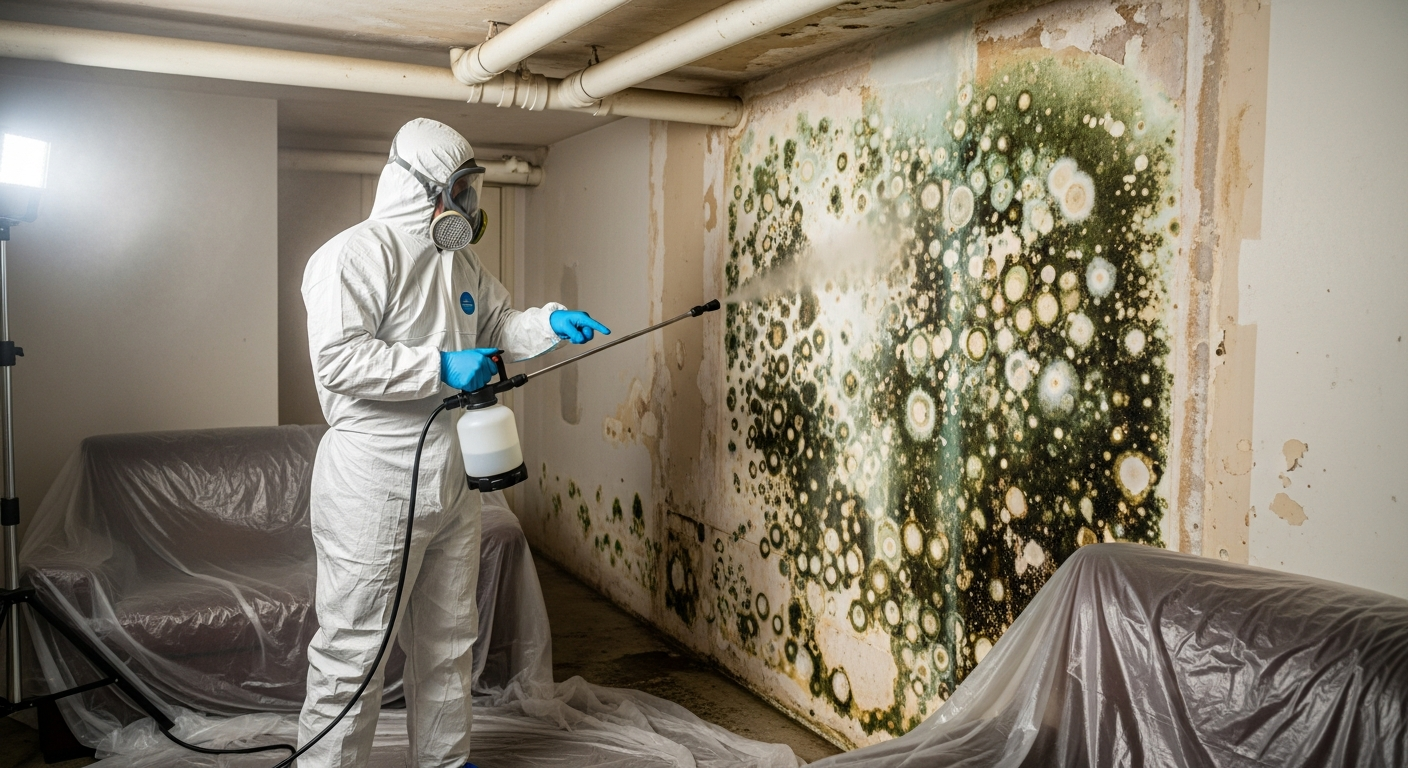
Expert Mold Remediation in Houston
Houston's subtropical humidity makes it one of the most mold-prone cities in the United States. Mold spores are present everywhere outdoors, but when moisture intrudes into a building — through leaks, flooding, or condensation — mold colonizes within 24–48 hours. Surface cleaning alone doesn't work; mold grows in hyphae networks inside porous materials. Our IICRC S-520 compliant remediation process removes the contamination at the source, verifies clearance with post-remediation testing, and addresses the moisture problem that caused it.
Rhino is Houston's trusted water damage restoration company — responding 24/7 with IICRC-certified technicians across Greater Houston.
Signs You Need This Service
- Visible black, green, or white mold growth
- Persistent musty or earthy odor
- Allergic symptoms that improve when away from home
- Recent water damage or unresolved moisture issues
- Condensation on windows or walls
- Discoloration or staining on walls or ceilings
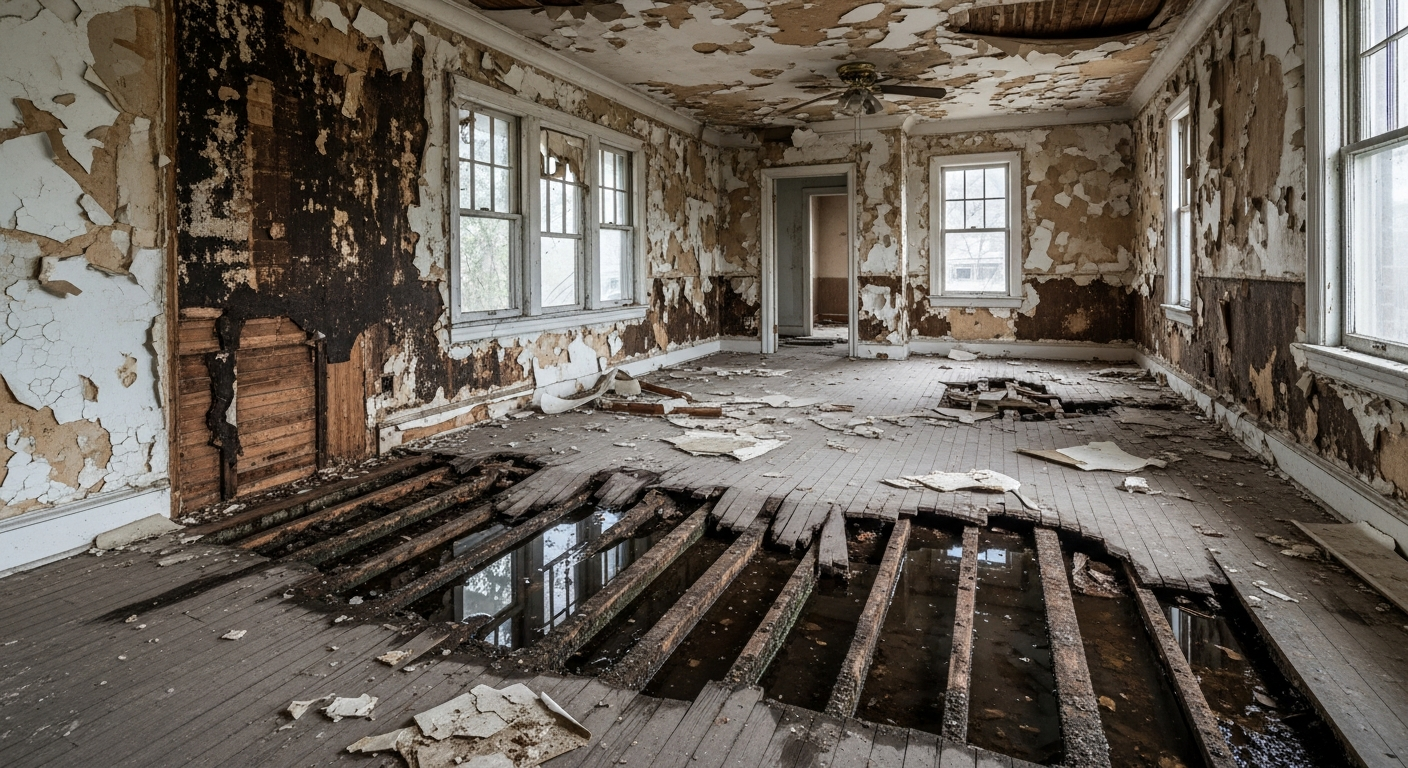
What's Included With Every Job
Our Step-by-Step Process
Mold Inspection & Air Testing
We perform a visual inspection and, where indicated, collect air and surface samples for lab analysis. This establishes baseline spore counts and identifies the mold species present.
Moisture Source Identification
Mold always has a moisture source. We use thermal imaging and moisture meters to identify and document the root cause — whether it's a slow leak, condensation, or residual moisture from a previous water event.
Containment Setup
Critical work zones are sealed with poly barriers and placed under negative air pressure using HEPA-filtered machines. This prevents cross-contamination to clean areas of the property.
Mold Removal & Material Disposal
Mold-contaminated drywall, insulation, and other porous materials are physically removed and bagged for disposal per EPA guidelines. Structural wood is wire-brushed, HEPA-vacuumed, and treated with antifungals.
HEPA Cleaning & Treatment
All surfaces in the work zone receive a thorough HEPA vacuum and wipe-down, followed by application of EPA-registered antifungal sealant where indicated.
Post-Remediation Testing & Clearance
Clearance testing by a third party or our own licensed inspector confirms spore counts have returned to normal outdoor levels. You receive a written clearance report — essential for real estate transactions and insurance.
Based in Houston. Serving All of Greater Houston.
Our technicians are staged across Houston to reach you in 45 minutes or less. We serve all of Harris County and surrounding communities — Sugar Land, Katy, The Woodlands, Pearland, Spring, Humble, Baytown, and Pasadena.
Frequently Asked Questions
Is mold dangerous to my health?
Certain mold species — including Stachybotrys (black mold) and Aspergillus — produce mycotoxins that can cause respiratory issues, allergic reactions, and immune system effects. Prolonged exposure, especially in children and immunocompromised individuals, carries significant health risk.
Can I clean mold myself with bleach?
Bleach kills surface mold on non-porous materials but cannot penetrate porous surfaces like drywall or wood where mold roots grow. Attempting DIY remediation on significant mold growth risks spreading spores throughout your home. For areas larger than 10 sq ft, professional remediation is recommended by the EPA.
How do I know if mold is behind my walls?
Signs include a musty odor without visible growth, recent water damage that wasn't professionally dried, and unexplained allergy symptoms. We perform moisture mapping and can arrange invasive inspection to check wall cavities.
Is mold remediation covered by insurance?
Mold resulting from a covered water loss (burst pipe, appliance failure) is often included in the claim. Mold from long-term neglect or flooding is typically excluded. We document the moisture source to give your claim the strongest possible foundation.
How do I prevent mold from coming back?
Address every moisture source — fix leaks immediately, maintain indoor humidity below 60%, ensure proper ventilation in bathrooms and kitchens, and have any water damage professionally dried within 48–72 hours.